

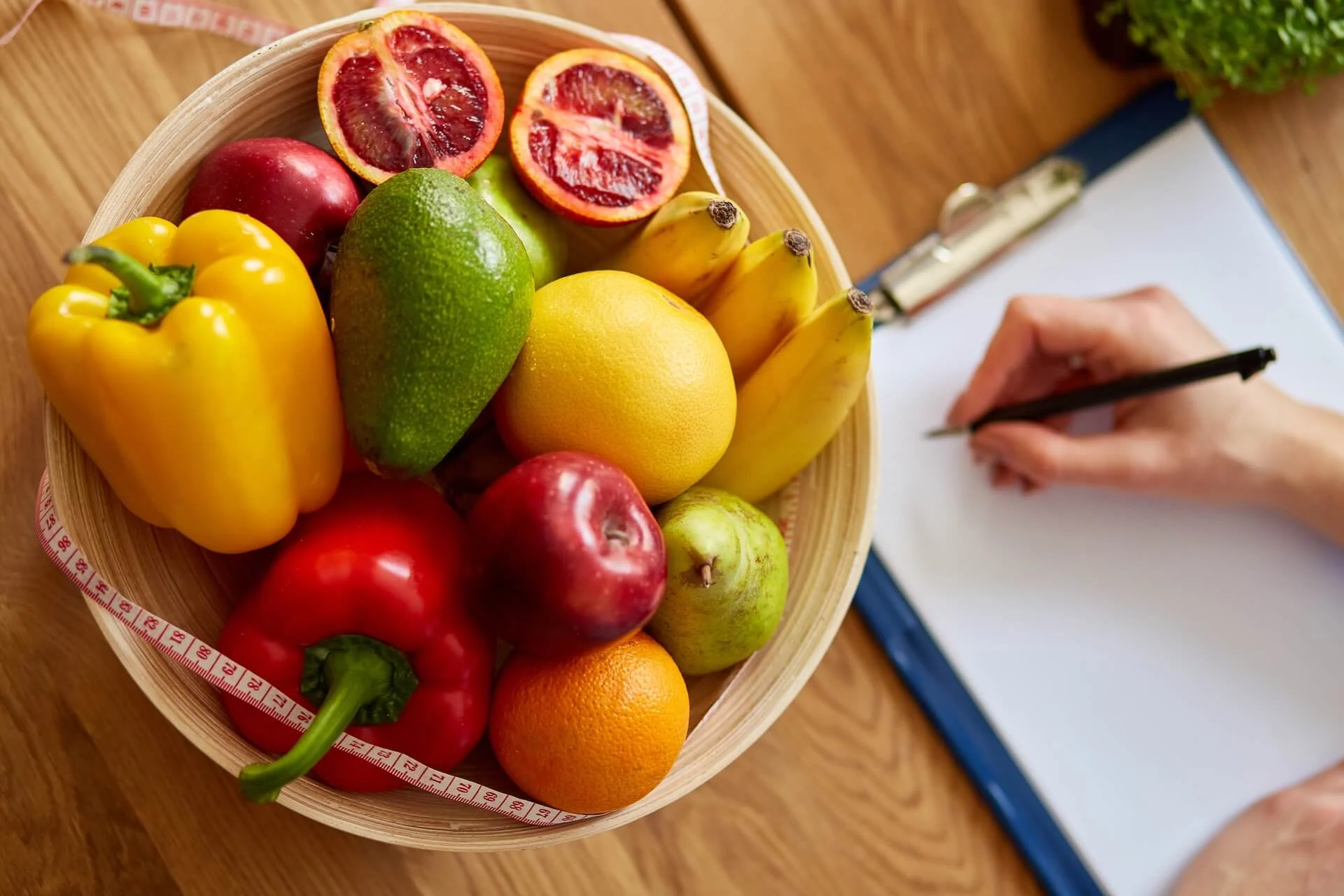
Many women with PCOS feel frustrated despite eating “healthy.” Learn how insulin resistance, inflammation, fiber, sleep, and a plant-forward approach can dramatically improve PCOS symptoms.
It usually starts with frustration.
Aviva, 29, came to me after years of feeling like her body was working against her.
“I don’t understand what I’m doing wrong,” she told me. “I’m eating healthier than everyone I know.”
She had already cut back on sugar. She exercised regularly. She tried intermittent fasting, low-carb diets, calorie tracking, supplements she saw online—yet her symptoms kept creeping forward.
Her hormones were imbalanced. She constantly craved carbohydrates. Weight accumulated mostly around her abdomen despite her efforts. She dealt with stubborn acne and fatigue that hit hard in the afternoons. Bloodwork showed elevated testosterone levels and lingering insulin resistance.
And emotionally, she was exhausted.
What made it harder was that she had been working so hard for so long—with very little to show for it.
When we reviewed her eating patterns more closely, one thing stood out: despite trying to “eat healthy and low carb,” many of her meals revolved around large amounts of animal protein such as eggs, dark chicken, and meat, with insufficient fiber-rich plant food. She also relied heavily on highly processed protein bars.
I immediately recognized a common trap that many women with PCOS fall into: focusing heavily on carbohydrates as the only enemy, without recognizing the importance of lowering excess animal and total fat while dramatically increasing fiber-rich plant foods.
Understanding PCOS Beyond Hormones
Polycystic ovarian syndrome (PCOS) is often described as a hormonal condition—but in reality, it’s deeply connected to metabolism, inflammation, and insulin function.
One of the biggest drivers behind PCOS is insulin resistance.
Insulin is the hormone that helps move glucose out of the bloodstream and into cells for energy. But when cells stop responding properly to insulin, the body compensates by producing more of it.
And high insulin levels do far more than affect blood sugar.
They also stimulate the body to produce more androgens (male-type hormones like testosterone), which contributes to many of the symptoms that women experience with PCOS, such as acne, excess hair growth, difficulty losing weight, and fertility struggles.
Why Weight Loss Feels So Difficult
This is one of the most emotionally draining parts of PCOS for many women.
A woman may feel like she’s trying harder than everyone around her—and still not seeing results.
Research consistently shows that even modest weight loss, around 5–10% of body weight, can significantly reduce androgen levels in women with PCOS.
But the approach matters.
What I often explain to clients is this: the goal isn’t simply eating less. The goal is improving insulin sensitivity so the body can actually respond differently.
And this is where nutrition quality becomes incredibly important.
The Inflammation Piece That Often Gets Missed
PCOS is associated with chronic low-grade inflammation and oxidative stress—even independent of weight.
And inflammation itself worsens insulin resistance.
This creates a vicious cycle: Higher insulin leads to more inflammation, leading to more androgen production and in turn more metabolic dysfunction.
Plant-rich diets help interrupt that cycle because they naturally contain antioxidants, phytonutrients, and fiber that calm inflammatory pathways.
The Role of a Plant-Focused Diet in PCOS
One of the most powerful tools for improving insulin resistance and inflammation is increasing whole plant foods.
Not necessarily becoming fully vegan overnight—but shifting the plate heavily toward:
- Vegetables, especially large amounts of leafy greens and cruciferous veggies daily
- Beans and lentils
- Nuts and seeds in moderation
- Berries and brightly colored fruits in moderation
- Spices and herbs
Why?
Because diets high in saturated fat and excess total fat can lead to fat accumulation inside muscle and liver cells, which interferes with insulin signaling.
In addition, large amounts of animal proteins such as chicken or fish cooked at high temperatures, particularly in inflammatory vegetable oils, can have a similar negative effect on insulin sensitivity even though they are “low carb.”
In contrast, high-fiber plant foods improve insulin sensitivity, stabilize blood sugar, support the gut microbiome, and reduce inflammation—all central issues in PCOS.
This became a major turning point for my client.
Instead of focusing on restriction, we focused on what we actually put INTO her diet.
Breakfast shifted from coffee and a protein bar to oat bran with chia seeds, walnuts and an egg.
Lunch became salad bowls with roasted vegetables, lentils or chickpeas, tahini, and greens rather than store bought salads with high temp prepared restaurant proteins.
Dinner focused more on incorporating loads of veggies with white meat chicken or turkey, rather than more inflammatory dark chicken or meat, with the allowance of a small minimally processed carbohydrate such as kasha, quinoa, or butternut squash. I also encouraged Aviva to explore the occasional plant-based bean chili or tofu meal, aiming for a vegan dinner once weekly.
The Carbohydrate Conversation
Many women with PCOS become terrified of carbs.
But the research is more nuanced than that.
The issue is often less about carbohydrates themselves and more about the type of carbohydrate.
Highly refined carbohydrates—white bread, sugary cereals, pastries, ultra-processed snack foods—can create large blood sugar spikes that worsen insulin resistance.
But high-fiber, low-glycemic carbohydrates behave very differently in the body.
Foods like:
- Lentils
- Beans
- Steel cut Oats
- Quinoa
- Whole intact grains such as kasha or barley
…digest more slowly and help improve glycemic control, particularly when consumed in moderation with a small amount of a fat such as nuts or avocado.
In practice, most women with PCOS do far better when meals combine lots of fiber from veggies, moderate amounts of protein and healthy fat, and moderate amounts of low glycemic carbohydrates.
The Importance of Quality Sleep
As we looked more closely at Aviva’s routine, another pattern became obvious: she was exhausted.
She stayed up late most nights trying to catch up on work, slept lightly, woke frequently, and relied heavily on caffeine to push through the day. By the afternoon, her energy would crash hard.
Lack of sleep and poor sleep quality have been strongly linked to increased insulin resistance. Research suggests that insufficient sleep interferes with insulin signaling pathways, making it harder for the body to regulate blood sugar effectively.
When I explained how strongly sleep impacts insulin sensitivity and hormonal balance, Aviva became committed to improving her routine. She worked on getting to bed earlier, reducing nighttime screen exposure, and avoiding caffeine later in the day.
Specific Nutrients That Can Support PCOS
There are also several nutrients that appear particularly beneficial in PCOS research.
Inositol
Inositol has been shown in clinical trials to improve insulin sensitivity, lower androgen levels, and support ovulation in women with PCOS. Therapeutic doses often require supplementation at 4000 mg daily.
Fiber
Fiber is one of the most underrated tools in PCOS.
Higher fiber intake is associated with improved insulin sensitivity, better satiety, improved cholesterol, and weight regulation.
I often encourage women to gradually work toward approximately 30–40 grams daily from whole foods.
Omega-3 Fats
Omega-3 fats may help reduce inflammation and improve metabolic markers.
Good sources include:
- Ground flaxseed
- Chia seeds
- Walnuts
- Hemp seeds
- Fish oil supplements
Soy Foods
Soy is often unfairly demonized online, but research in women with PCOS is actually quite encouraging.
Some studies show soy protein may help reduce fasting blood sugar, testosterone levels, triglycerides, and BMI.
I emphasize mainly whole soy foods like edamame and tofu.
A New Direction
About one month into working together, Aviva’s energy was improved, her cravings had diminished significantly and the scale had dropped five pounds. Six months into working together, she had lost a total of 22 pounds, and noticed that her body had regulated and her skin had cleared dramatically.
But more importantly, she stopped feeling trapped in the exhausting cycle of constantly trying harder.
For the first time in years, she felt like her body was finally cooperating instead of constantly pushing back.
The Bottom Line
PCOS is complex, but many of its core drivers—insulin resistance, inflammation, oxidative stress, and metabolic dysfunction—respond remarkably well to nutrition and lifestyle changes.
And for many women, one of the most powerful shifts is moving toward a more plant-forward, fiber-rich way of eating that supports blood sugar balance rather than constantly fighting it.
Not starvation or extreme dieting.
Just giving the body the tools it had been missing.
Because PCOS is not usually about “trying harder,” rather “trying smarter.”